
Blog
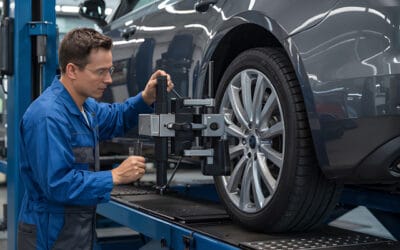
Questions to Ask Before Approving Luxury Car Repairs
A repair estimate for a European or exotic vehicle can look intimidating, especially when the line items aren’t explained well. In many cases, the gap between a fair quote and an inflated one comes down to whether questions get answered plainly by the shop. Oddly enough, the questions that matter most are rarely asked; whether a part is OEM or aftermarket, or why a job takes the hours it does, tends to go unmentioned. That gap gets filled by trust, or it doesn’t get filled at all, I suppose. Some shops count on that, and over time, owners learn the hard way.
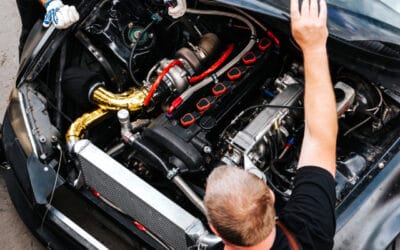
Why Specialized Diagnostics Matter for Luxury and Exotic Cars
Luxury and exotic vehicles are built to tighter tolerances than most people realize, and the diagnostic systems inside them reflect that. A standard OBD-II reader might pull a fault code, but what that code actually means for a Porsche PDK, a Ferrari F1 gearbox, or a BMW M-series adaptive suspension often can’t be interpreted by generic software. As it turns out, manufacturer-specific diagnostic platforms exist for a reason; these cars communicate in their own language, and generic tools were simply never designed to follow that conversation. What gets missed in that gap is where costs tend to accumulate, or worse, where small problems are left to grow into serious ones, bit by bit.

Long-Term Reliability Tips for Luxury Car Owners
Luxury vehicles are built to perform at a high level, but that engineering carries specific demands that tend to be underestimated once the warranty period has passed. As it turns out, many reliability issues in high-end cars aren’t caused by mechanical failure so much as deferred maintenance and mismatched service intervals. The complexity built into these vehicles, from adaptive suspension systems to twin-turbocharged engines, means small oversights get compounded faster than they would in a standard car. Whether a Porsche, BMW, or Land Rover is being driven across Ontario, the long-term picture depends less on the badge and more on how consistently the car is looked after, day by day.

Certified Technicians: Protecting Your Vehicle Investment
A vehicle, especially a luxury or exotic one, represents a significant financial commitment, and how it gets maintained over time has a direct effect on what it’s worth later. As it turns out, the gap between a certified technician and a general mechanic isn’t just about credentials on a wall; it shows up in diagnostic accuracy, parts knowledge, and the kind of judgment that only gets built by working on specific makes and models repeatedly. That kind of experience is earned, not handed out. Whether a Porsche is being driven through Mississauga or a BMW is being kept in peak condition somewhere across Ontario, the right hands matter more than most owners expect.
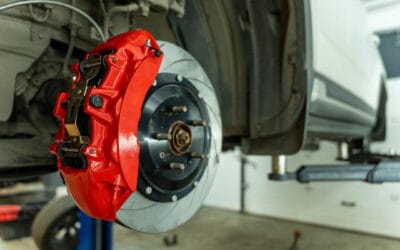
How Often Should Performance Brakes Be Inspected?
Performance brake systems on luxury and exotic vehicles are built to handle serious heat and stopping force, but that same capability tends to mask wear in ways a standard inspection won’t catch. As it turns out, many owners assume their brakes are fine simply because the pedal feels normal. That assumption gets reinforced by long service intervals printed in the owner’s manual, which are often written for average driving conditions, not spirited highway runs or track days. Brake condition is typically assessed by pad thickness and rotor surface, but there’s more going on underneath. How often “enough” actually is depends on more factors than most people expect.
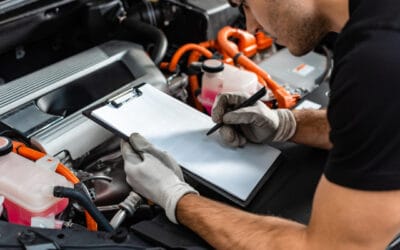
How to Choose the Right Repair Shop for European Performance Vehicles
Choosing a repair shop for a European performance vehicle is a different exercise than finding someone to change the oil on a family sedan. The tolerances are tighter, the electronics are more involved, and the parts sourcing matters more than most owners initially expect. As it turns out, a shop’s reputation for general imports doesn’t always carry over to high-performance marques like Porsche, BMW M-series, or Audi RS models. Mistakes made during routine service on these vehicles are often discovered late, and by then the cost to correct them has grown considerably. Worth thinking about, really, before the next service interval comes around.
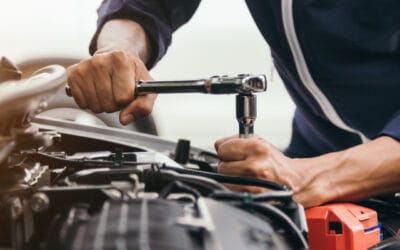
What Makes Exotic Car Servicing Different?
Exotic and luxury vehicles are built to tolerances that most standard shop equipment simply wasn’t designed to meet. The parts are rarer, the software runs deeper, and the margin for error is considerably smaller than on a typical daily driver. As it turns out, even something as routine as an oil change has to be approached differently when the vehicle in question is a Ferrari or a McLaren. Manufacturer specifications are often what dictate the procedure, and deviating from them, even slightly, can affect performance or put coverage at risk. What “qualified” actually means in this space, I suppose, is a question worth sitting with.
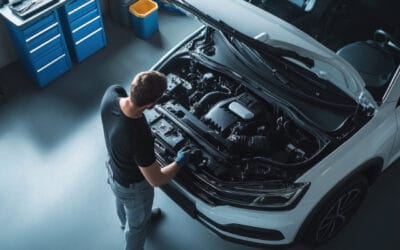
Common Maintenance Issues Luxury Car Owners Face
Owning a high-performance or luxury vehicle comes with a different set of expectations, and a different set of problems. The engineering that makes these cars exceptional is, oddly enough, the same engineering that makes them more demanding to maintain. Certain issues tend to be overlooked until they become expensive, partly because symptoms are masked more effectively by luxury vehicles than by everyday cars. Ontario owners, in particular, deal with conditions that accelerate wear in ways that aren’t always obvious. Whether it’s suspension, electronics, or something quieter under the hood, the pattern is worth understanding before something goes wrong.
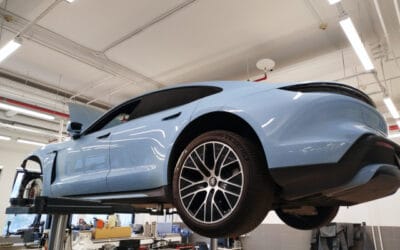
What Unusual Car Noises Tell You About Luxury Vehicle Problems
Luxury vehicles are built to run quietly, which is exactly what makes an unfamiliar noise so easy to pick up on. A subtle knock, a faint whine, or a low-frequency hum that wasn’t there last week, these things aren’t random. As it turns out, many serious mechanical problems are first detected not by a diagnostic scanner, but by a driver who’s simply paying attention to sound. The connection between noise and early diagnosis is well understood by experienced technicians. What’s less obvious, though, is how much can actually be gathered before a vehicle even reaches the shop.

Warning Signs of Transmission Problems in High-Performance Cars
Transmission problems in high-performance vehicles rarely announce themselves all at once. They tend to build quietly, showing up as a slight hesitation here, an odd shudder there, until something more serious gets your attention. As it turns out, many of those early warning signs are dismissed as “just how the car feels” by owners who assume their vehicle is simply being temperamental. In most cases, those early signals are being sent for a reason, and the pattern tends to repeat itself before anything obvious breaks. The question is whether enough attention is being paid early enough to matter.