
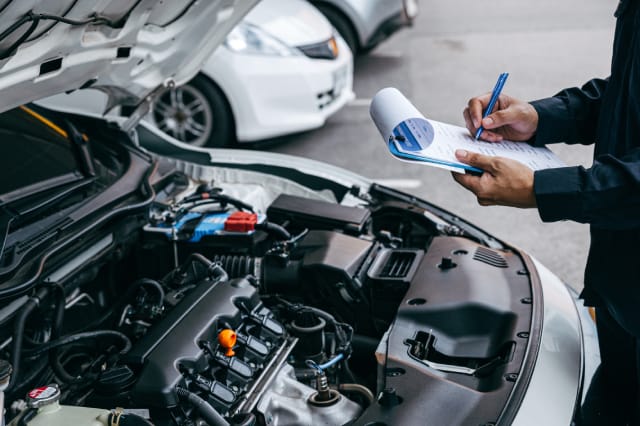
Long-term reliability in a luxury vehicle usually comes down to consistent, interval-specific maintenance and catching small issues before they become expensive ones. High-end cars are built with tighter tolerances and more complex systems; skipping a service or using the wrong fluid spec can accelerate wear faster than most owners expect. Right Tech Auto Repair and Service can help — visit the website to learn more.
Fast Facts
- Luxury vehicles often have service intervals as short as 8,000 to 10,000 km for oil changes, depending on the engine and driving conditions
- Many high-end cars use proprietary fluid specifications that differ significantly from generic alternatives — using the wrong spec is a common and costly mistake
- Deferred maintenance on turbocharged engines is one of the leading causes of premature wear in performance-oriented luxury vehicles
- Ontario’s seasonal temperature swings, from deep winter cold to summer heat, place additional stress on cooling systems, seals, and battery health
- Independent specialists with OEM-level diagnostic tools can often identify issues that standard scan tools miss entirely
Why Long-Term Reliability Looks Different in a Luxury Vehicle
A common assumption exists that expensive cars are automatically more reliable. And to a point, that’s true. But the engineering that makes a luxury vehicle perform the way it does also makes it less forgiving when maintenance falls behind. These aren’t simple machines; they’re built with tight tolerances, complex electronics, and systems that interact in ways a standard vehicle doesn’t. So when something is off, even slightly, the effects tend to show up faster and cost more to correct. Reliability in a high-end car isn’t guaranteed by the price tag. It’s earned through consistent, informed care.
The Maintenance Schedule Is Not Suggestions
Among the more common things seen in shops across Ontario, luxury vehicles are brought in with service intervals stretched well beyond what the manufacturer recommends. The logic is usually something like, “it’s running fine.” But by the time a high-performance engine is showing symptoms, the internal wear has often already happened. Oil in a turbocharged engine breaks down under heat and pressure faster than in a naturally aspirated one. Coolant additives deplete. Brake fluid absorbs moisture over time, bit by bit. These aren’t dramatic failures. They’re slow, quiet processes that compound, in a way. Following the actual service schedule matters more than most people realize.
Fluid Specifications Are Worth Taking Seriously
This one gets overlooked more than it should. Many luxury and exotic vehicles require fluids that meet very specific OEM standards, whether that’s a particular viscosity grade, an approval rating from a manufacturer like BMW, Mercedes-Benz, or Porsche, or a proprietary transmission fluid. A generic substitute might seem harmless in the short term, that sounds reasonable on paper, but over time it can accelerate wear on components that were engineered to work with a specific product. The difference between a correct fluid spec and a close-enough one isn’t always visible until something fails. It’s a small detail that carries more weight than it appears to. Interesting how that works.
Ontario’s Climate Adds a Layer of Complexity
Driving a luxury vehicle in Ontario means conditions that put real stress on a lot of systems are encountered regularly. Winter temperatures can drop well below what most cooling systems and battery chemistries prefer. Summer heat does its own work on seals, hoses, and air conditioning components. Then there’s the road salt. It gets into places that aren’t always obvious, and quiet damage is done to brake components, suspension hardware, and underbody coatings over several seasons. Vehicles that spend winters in the GTA or anywhere else in Ontario benefit from seasonal inspections, not just the standard annual checkup. The environment here is, to be fair, genuinely demanding.
Electronics and Software Are Part of the Reliability Picture Now
Modern luxury vehicles are as much software platforms as they are mechanical ones. Adaptive suspension, active engine mounts, lane-keeping systems, air suspension compressors, and dozens of control modules all need to be functioning and communicating correctly for the vehicle to perform as designed. A fault in one area can trigger symptoms in another that seem completely unrelated. Diagnosing these systems properly requires OEM-level scan tools and someone who understands the architecture of the specific vehicle. What’s actually happening is often missed by generic diagnostic tools. This is one area where the quality of the shop matters as much as the quality of the parts. Probably enough said on that.
The Real Cost of Deferred Maintenance
A scenario that plays out fairly regularly goes something like this. An owner of a turbocharged European sedan skips an oil change by about 5,000 km because the car seems fine. Then another. Over two years, the turbocharger is being run on oil that’s past its useful life more often than not. Eventually, a bearing fails. The repair bill is significant, and the turbo itself may need to be replaced. The oil changes that were skipped would have cost a fraction of that. Deferred maintenance on a luxury vehicle isn’t really a savings; it’s a delayed expense, usually a larger one. Anyway, that’s usually where it clicks for most people.
Choosing the Right Shop Makes a Real Difference
Not every independent shop is equipped to work on high-end vehicles properly. The tools, training, and parts sourcing all matter. A shop that works primarily on economy vehicles may not have the diagnostic software to read a Maserati’s fault codes accurately, or the experience to know what a particular noise in a Porsche PDK transmission actually means. Luxury and exotic car owners across Ontario are often better served by independent specialists who focus on these vehicles specifically. Dealership-level expertise doesn’t have to come with dealership-level pricing or the accompanying attitude. The right shop will treat the car, and the owner, with straightforward respect.
Where to Start If You’re Not Sure Where Things Stand
If a luxury vehicle hasn’t had a thorough inspection recently, or if the service history is incomplete, a good starting point is a comprehensive multi-point inspection by a shop that knows the platform. From there, a clear picture of what’s been done, what’s due, and what’s coming can be built. It’s about understanding the actual condition of the vehicle so decisions can be made with accurate information. For luxury and exotic car owners in Ontario looking for that kind of honest, informed service, Right Tech Auto Repair and Service is worth a look. Visit the website at righttech.ca to learn more about what’s offered.
Mini-FAQ
Q: How often should a luxury car really be serviced compared to a regular vehicle?
Look, the honest answer is more often than most people expect. Luxury and performance vehicles tend to have tighter mechanical tolerances, which means fluids degrade faster and components wear more precisely to spec. A missed service isn’t just a minor inconvenience. It can be the start of a much bigger problem.
Q: Does the dealership have to service my luxury car to keep the warranty valid?
Fair point, and one worth clarifying. In Canada, you’re generally not required to use a dealership for routine maintenance in order to maintain your warranty, as long as the work is performed to manufacturer specifications and properly documented. Independent shops with the right certifications and tools can handle this. Worth confirming the specifics with your warranty documentation, though.
Q: What are the most common long-term reliability issues in high-end vehicles?
It’s rarely the exotic stuff that causes the most trouble. Cooling system components, suspension bushings, and electronic modules tend to be the repeat offenders across most luxury brands. Turbocharged engines are also sensitive to oil quality and change frequency. The systems are sophisticated, yes. But they fail in fairly predictable ways when maintenance slips.
Q: Is it worth investing in preventive maintenance on a luxury car, or just fixing things as they break?
Reactive maintenance on a luxury vehicle is almost always more expensive in the long run. A cooling system flush might cost a few hundred dollars. Replacing a warped head or a failed water pump because that flush was skipped can run into the thousands. The math isn’t complicated. Preventive care on a high-end vehicle is one of the better investments you can make in it.