
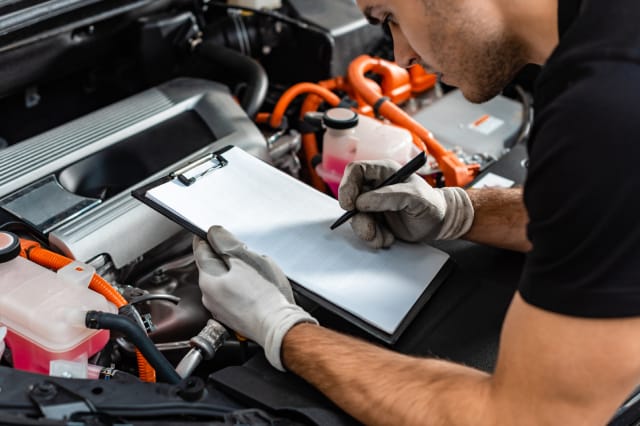
To choose the right repair shop for a European performance vehicle, technicians with marque-specific training should be sought out, along with access to OEM or equivalent parts and diagnostic tools built for your platform; a shop that services BMWs and Audis daily will usually handle your car differently than one that sees them occasionally. Right Tech Auto Repair and Service is worth a look.
Fast Facts
- European performance vehicles often require manufacturer-specific diagnostic software, such as ISTA for BMW or PIWIS for Porsche, that generic OBD scanners cannot fully access
- In Ontario, independent specialists can legally perform warranty-related maintenance without voiding your factory warranty, provided OEM-spec parts and fluids are used
- Labour rates at independent European specialists are typically 30–50% lower than franchised dealerships for comparable work
- A shop’s parts sourcing matters: OEM, OE-equivalent, and aftermarket parts are not interchangeable in terms of fit or longevity on high-performance platforms
- Technician certifications from bodies like ASE, or brand-specific training from manufacturers, are a reasonable baseline to ask about before booking
Why European Performance Vehicles Demand a Different Standard
European performance cars are engineered with a level of specificity that most general repair shops aren’t set up to handle well. That’s not a criticism of general mechanics; it’s just a reality of the platform. A BMW M4 Competition, for instance, uses adaptive suspension calibration, high-pressure fuel injection, and a dual-clutch transmission, each of which requires its own diagnostic logic. When something goes wrong, or even when routine maintenance is due, the margin for error is narrower than it is on a standard vehicle. In Ontario, where road conditions range from summer track days to winter salt exposure, the demands placed on these vehicles are real. Getting the service right the first time matters.
Start With Marque-Specific Experience, Not General Import Experience
There’s a meaningful difference between a shop that works on European vehicles and one that specializes in the specific marque you drive. General import experience is a starting point, I suppose, but Porsche’s PDK transmission behaves differently than a BMW ZF unit, and Audi’s quattro system carries its own service logic. Pattern recognition gets built up over time by technicians who work on these platforms regularly, and that kind of knowledge is hard to teach from a manual. Ask the shop how often your specific model is seen there. Ask what the most common issues are on your platform. If those questions can be answered without looking anything up, that’s a reasonable sign the car is genuinely known.
Diagnostic Capability Is Non-Negotiable
One of the clearest ways to separate a qualified European performance shop from a general one is the diagnostic equipment being used. Generic OBD-II scanners read surface-level fault codes. The deeper system data that European platforms generate tends to be missed, and manufacturer-specific modules can’t be accessed at all with those tools. Proper diagnosis on a BMW typically requires ISTA or a comparable licensed tool. Porsche work is done through PIWIS. These tools cost real money to license and maintain, which is why not every shop has them; that sounds reasonable on paper, but the investment reflects a genuine commitment to the work. It’s a fair question to raise before booking. If a shop is vague about what diagnostic tools are in use, that’s worth noting.
Parts Sourcing Shapes the Long-Term Outcome
A repair is only as good as the parts used in it. On European performance vehicles, that distinction matters more than on most platforms. OEM parts come from the original supply chain. OE-equivalent parts are built to the same specifications through a different manufacturer. Aftermarket parts vary widely; some are appropriate for certain applications, while others aren’t suited to high-performance use at all. A shop that sources parts carefully, and can explain why a particular supplier was chosen for a particular job, is one where the outcome is being considered rather than just the invoice. In many cases, the parts conversation tells you more about a shop’s standards than the labour rate does. Interesting how that works.
Certifications and Training Are Worth Asking About
Technician certifications aren’t everything, but they’re a reasonable baseline. ASE certification indicates a standard of general competence. Manufacturer-specific training, where a technician has been put through a brand’s own program, indicates something more targeted. Some European brands run training programs that independent shops can access; others are more restricted. The point isn’t to demand a specific credential before booking. It’s to ask the question and see how the shop responds, because a confident, specific answer suggests ongoing training is taken seriously. A vague answer about “years of experience” without any specifics, to be fair, is worth probing further.
Read the Shop’s Communication Style Before You Commit
How a shop communicates before the work begins tells you a lot about how the work itself will be handled. Are estimates itemized clearly? Is an explanation offered for what was found and why a repair is needed, or is a number simply quoted? Are questions welcomed, or does impatience show through? For owners of European performance vehicles, especially those who know their cars well, a shop that respects your knowledge and explains its reasoning is worth more than one that expects you to simply trust the process. Anyway, that’s usually where it clicks for most people, the first real conversation.
What Ontario Owners Should Know About Independent Specialists
Across Ontario, independent European performance specialists have become a genuine alternative to franchised dealerships, and not just on price. Under Canadian competition law, having your vehicle serviced at an independent shop does not affect your factory warranty, provided the work is done to manufacturer specifications with appropriate parts and fluids. That’s a protection many owners don’t know they have. Shorter booking windows are also commonly offered by independent shops, along with more direct access to the technician doing the work and a relationship-based approach that dealership service departments often can’t match at scale. Worth knowing your options before defaulting to the dealer out of habit.
How Right Tech Auto Repair and Service Approaches European Performance Vehicles
At Right Tech Auto Repair and Service, the focus has always been on doing the work properly, not quickly or cheaply at the expense of quality. European performance vehicles are worked on regularly here, which means the diagnostic tools, parts sourcing standards, and technical knowledge are built around what these cars actually need. There’s no dealership markup and no dealership attitude, just straight answers and work done to a standard that owners of these vehicles expect. If a shop in Ontario that treats your car the way you do is what you’re looking for, the best next step is to visit the website and see what Right Tech can do for you.
Mini-FAQ
Q: Does taking my European performance car to an independent shop void the warranty?
In Canada, it generally does not. Under competition law, dealerships cannot require you to use their service department to maintain a valid warranty, as long as the work is performed to manufacturer specifications using appropriate parts and fluids. That protection is often misunderstood, or quietly left unclarified by dealerships. Worth knowing before you assume you’re locked in.
Q: What diagnostic tools should a European performance shop actually have?
Look, this is where a lot of shops fall short. Generic scan tools read basic fault codes, but the deeper system data that European platforms generate tends to be missed entirely. A shop working on BMWs should have access to ISTA or equivalent. Porsche specialists typically use PIWIS. These tools are expensive to license and maintain, which is one reason not every shop invests in them.
Q: How do I know if a shop really specializes in European vehicles, or just says they do?
Ask directly: what percentage of their weekly work involves European marques, and which ones specifically. Whether factory-trained technicians or manufacturer certifications are kept on staff is also worth asking about. A shop that genuinely specializes will answer those questions without hesitation. One that hedges or pivots to general experience is probably telling you something.
Q: Is it worth paying more for a specialist over a general mechanic?
For a daily driver, maybe not always. But for a performance vehicle, the gap in outcomes tends to be significant. Incorrect torque specs, wrong fluid grades, or misread fault codes can cause compounding issues on these platforms. The cost of a specialist is usually recovered quickly when avoided mistakes are factored in. Cheaper upfront doesn’t always mean cheaper overall.