
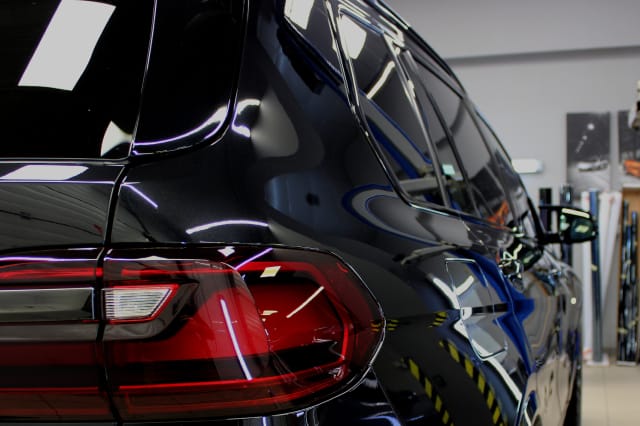
Exotic car repair costs are shaped by several factors: parts availability, specialized labour, proprietary diagnostic tools, and the vehicle’s country of origin. In many cases, a single repair on a high-end European or supercar can run two to five times more than a comparable job on a standard vehicle… and that gap is usually justified.
Fast Facts
- Labour rates at exotic-specialist shops in Ontario typically range from $150 to $300+ per hour, depending on the vehicle brand and repair complexity
- Some OEM parts for European exotics carry lead times of 4 to 12 weeks when not stocked locally
- Proprietary diagnostic software licenses for brands like Ferrari, Lamborghini, and Porsche can cost tens of thousands of dollars annually
- A single set of high-performance brake pads and rotors for a supercar can exceed $3,000 in parts alone
- Technician training for exotic brands often requires factory certification, which limits how many shops in Ontario are actually qualified to work on these vehicles
The Parts Problem Is Real
Sourcing parts for exotic vehicles is one of the most consistent cost drivers, and it isn’t always obvious why. Many components are manufactured in small batches, sometimes by a single supplier in Europe or Japan, and they simply aren’t sitting on a shelf at a local distributor. When a part has to be ordered from overseas, the component itself is being paid for, along with international shipping, brokerage fees, and often a significant wait. In Ontario, that wait can stretch weeks depending on the brand and the specific part. For owners accustomed to next-day parts availability on everyday vehicles, this tends to be the first real adjustment, and it catches people off guard more often than you’d expect. Interesting how that works.
Labour Is Priced by Expertise, Not Just Time
Exotic car technicians aren’t interchangeable with general mechanics. The rate difference reflects that plainly. Working on a mid-engine supercar or a high-performance twin-turbo platform requires a specific kind of knowledge that takes years to build. Factory training programs for brands like Porsche, Ferrari, and McLaren are rigorous, expensive, and not widely available across Canada. Some of that cost is passed through to the labour rate by shops that have invested in that training and certification, reasonably so. The alternative is a cheaper rate from someone who’s guessing; that’s a trade-off most exotic owners aren’t willing to make, and frankly, it’s not one worth making.
Diagnostic Equipment Changes the Equation
Standard OBD-II scanners don’t cut it on most exotic platforms. Proprietary diagnostic systems are used by manufacturers like Ferrari, Lamborghini, and Aston Martin, and those systems require licensed software along with specific hardware interfaces. A shop without the right tools simply can’t read the vehicle’s fault codes accurately, which means work is being done blind. Acquiring and maintaining those tools is a significant ongoing cost for any serious exotic repair facility. That cost gets reflected in the shop’s rates, but it’s also what separates a proper diagnosis from an expensive guess. Worth knowing, I suppose, before a booking is made anywhere.
Vehicle Age and Complexity Add Layers
Older exotics, particularly those from the 1980s through the early 2000s, come with their own set of challenges. Parts availability drops sharply as vehicles age out of the manufacturer’s supply chain. Some components need to be sourced through specialist dealers, rebuilt from scratch, or fabricated entirely. A 1995 Ferrari 355, for example, requires a level of parts-hunting that a current 296 GTB simply doesn’t. Complexity matters too; vehicles with active suspension systems, carbon ceramic brakes, or dual-clutch transmissions involve more steps, more calibration, and more time. Over time, each layer adds to the final number in ways that aren’t always easy to predict upfront.
The Country of Origin Factor
Where a vehicle was built affects repair costs in ways that aren’t always intuitive. Higher parts costs in Canada tend to be carried by European exotics, particularly Italian and British brands, because of import duties, currency exchange, and lower overall volume in the North American market. Japanese performance vehicles, while still specialized, often have better parts availability and slightly shorter lead times. American-made exotics like the Corvette Z06 or Dodge Viper fall somewhere in between. It’s not a hard rule, to be fair, but country of origin is a reasonable starting point when estimating what a repair might cost before a quote is even requested.
Insurance and Warranty Considerations in Ontario
Repair costs don’t exist in isolation. In Ontario, how a vehicle is insured and whether any warranty coverage applies can significantly affect what an owner actually pays out of pocket. Some extended warranty providers exclude exotic vehicles entirely, or cap labour rates at levels that don’t reflect what qualified shops actually charge. It’s also worth noting that certain repairs, if carried out incorrectly or with non-approved parts, can affect insurance claims down the road. That sounds good on paper as a cost-saving move, but the downstream implications tend to catch up. That’s usually where it clicks for owners who’ve been focused only on the upfront repair cost.
Maintenance History Affects Repair Scope
A well-maintained exotic is almost always cheaper to repair than one that’s been neglected. That sounds obvious, but the gap in practice is significant. Deferred maintenance on a high-performance vehicle tends to compound; a missed coolant flush leads to a corroded water pump, which leads to a head gasket concern, which turns a $400 service into something much larger. How a vehicle has been treated can usually be determined within the first inspection. In many cases, the repair estimate is as much a reflection of the car’s history as it is of the specific fault being addressed.
Finding the Right Shop Makes a Real Difference
Not every shop that claims to work on exotics actually has the training, tools, and experience to do it well. In Ontario, the number of genuinely qualified exotic repair facilities is smaller than most people assume. The right shop will be transparent about parts sourcing, honest about lead times, and clear about what’s driving the labour cost. At Right Tech Auto Repair and Service, that’s exactly the approach taken: dealership-level expertise without the dealership overhead or attitude. If you’re trying to understand what a repair might cost for your vehicle, or a second opinion on a quote you’ve already received is needed, visit our website to learn more and get in touch.
Mini-FAQ
Q: Why does exotic car labour cost so much more than regular auto repair?
Fair point, and it’s one worth unpacking. Exotic vehicles require technicians who’ve trained specifically on those platforms, often through factory programs that take years to complete. The margin for error is essentially zero. One wrong step on a carbon fibre component or a dry-sump engine can turn a manageable repair into a much larger one. Specialized knowledge commands a higher rate. That still surprises people.
Q: Does the brand of the car affect repair costs significantly?
It does, sometimes dramatically. Italian exotics like Ferrari and Lamborghini tend to carry the highest parts and labour costs, partly because of import complexity and partly because of how those vehicles are engineered. German brands like Porsche and BMW M-series fall somewhere in the middle. British and American performance vehicles vary widely depending on parts availability. The brand sets the baseline; the specific repair determines where you land within it.
Q: Are independent exotic car shops cheaper than dealerships?
Look, the honest answer is: often yes, but not always by as much as people expect. The parts cost is largely fixed regardless of where you go. What changes is the labour rate and the shop overhead. A well-equipped independent shop with factory-trained technicians, like what you’d find at Right Tech Auto Repair and Service, can offer comparable expertise at a more reasonable rate. No showroom markup. No service advisor commission structure pushing unnecessary add-ons.
Q: Can using aftermarket parts lower the repair cost on an exotic?
Sometimes, though it depends heavily on the repair and the vehicle. For wear items like brake pads or filters, quality aftermarket parts are often acceptable and can reduce cost. For structural components, drivetrain parts, or anything tied to emissions or safety systems, OEM is generally the right call. Using the wrong part on an exotic isn’t just a quality issue; it can affect performance, warranty standing, and resale value in ways that cost more to fix later.