
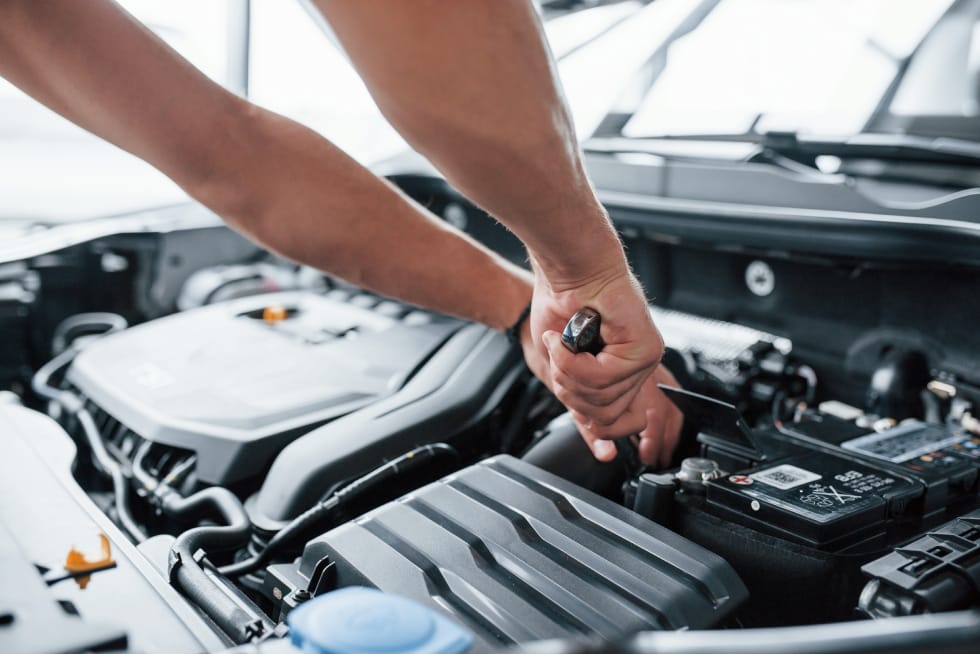
Preventative maintenance on a luxury vehicle usually costs a fraction of what major repairs run. A routine oil service or fluid check might be a few hundred dollars; a neglected cooling system or timing component failure can reach into the thousands, sometimes well beyond. Staying on schedule is, in most cases, the simplest way to protect both the car and your budget. Right Tech Auto Repair and Service can help you stay ahead of it, so visit the website to learn more.
Fast Facts
- Deferred maintenance on luxury vehicles can turn a $300 service into a $4,000+ repair, depending on the system involved
- European and Japanese performance vehicles often have tighter fluid change intervals than standard vehicles, making skipped services more costly over time
- In Ontario, cold winters and road salt accelerate wear on brake systems, suspension components, and undercarriage seals, making seasonal checks particularly important
- A single neglected coolant flush can contribute to head gasket failure, one of the most expensive repairs on any high-performance engine
- Most catastrophic drivetrain failures are preceded by warning signs that routine inspections would have caught
The Real Cost of Waiting
There’s a straightforward way to think about this. Preventative maintenance is a known, scheduled expense, while a major repair is an unknown, unscheduled one that almost always arrives at the worst time. On a luxury or exotic vehicle, that unpredictability carries a higher price tag than it would on a standard car. Parts cost more. Specialized expertise is required for the labour. And the systems involved are often more interconnected, so one failure can pull others along with it. Staying ahead of service intervals isn’t just good practice; it’s one of the more reliable ways to keep repair costs from compounding over time.
Why Luxury Vehicles Have Less Margin for Neglect
Standard vehicles are generally built with wider tolerances. That’s not a criticism, just an engineering reality. High-performance engines, sport-tuned suspensions, and advanced transmission systems are calibrated more precisely, which means they’re also more sensitive to degraded fluids, worn components, or deferred service. A BMW M series or a Porsche 911 running on old oil isn’t just inefficient; wear is being accumulated at a rate the manufacturer never intended. The maintenance schedules that come with these vehicles aren’t suggestions. They’re part of how the engineering is meant to hold up, bit by bit, across years of use.
What Ontario Driving Conditions Add to the Equation
Across Ontario, vehicles are subjected to conditions that accelerate wear in ways that aren’t always obvious. Road salt is corrosive to brake lines, suspension hardware, and undercarriage components. Temperature swings between seasons put stress on seals, hoses, and rubber components throughout the car. Stop-and-go traffic in the GTA places more demand on braking systems and transmissions than highway driving does. For a luxury or exotic vehicle, these factors make seasonal inspections more than a formality; they’re a practical way to catch deterioration before it becomes real damage. In many cases, what gets found during a routine check is something that would have been expensive, to be fair, to ignore.
The Compounding Problem
One of the less-discussed aspects of deferred maintenance is how failures tend to compound. A cooling system that isn’t serviced on schedule can overheat. An overheated engine can warp a head. A warped head means a head gasket job, which on many performance engines also means significant components need to be pulled just to access it. What started as a $200 coolant service becomes a multi-thousand dollar repair, and that’s before any secondary damage is factored in. This pattern is seen regularly in independent shops that work on high-end vehicles. That sounds manageable on paper, but the original neglected service is almost always a fraction of what follows. Interesting how that works.
A Scenario Worth Considering
Consider a GTA-based owner of a late-model German performance sedan, someone who drives it hard on weekends and uses it as a daily driver through the week. Oil changes are kept up, but differential and transmission fluid changes are skipped because the car “feels fine.” After two or three years, the transmission starts showing signs of wear. By the time a diagnosis is made, the fluid has broken down enough that internal components have been running without adequate protection. A fluid service at the right interval might have been $400. The repair that follows is closer to $6,000. That’s not an unusual story. It’s a common one, I suppose.
What Routine Service Actually Covers
It’s worth being specific about what preventative maintenance includes, because “routine service” can sound vague. On a luxury or exotic vehicle, a proper service interval typically covers engine oil and filter, brake fluid, coolant condition and concentration, air filters, spark plugs at manufacturer intervals, tire condition and pressure, brake pad and rotor wear, suspension component inspection, and fluid levels across all major systems. Each of these is a relatively low-cost check or replacement; each of them, if neglected long enough, can contribute to a repair that costs significantly more. Anyway, that’s usually where it clicks for owners who haven’t thought about it that way before.
The Labour Factor
Parts are one part of the cost equation. Labour is the other, and it’s often where the real difference gets felt. Proactive maintenance is straightforward work; a technician knows what’s being done, parts are on hand, and the service gets completed efficiently. Emergency repairs are a different situation. Diagnosis takes time. Parts may need to be ordered in. Disassembly is often more involved than expected, and on a luxury vehicle, shop rates are higher to begin with, so those additional hours add up quickly. A repair that requires six hours of diagnostic and disassembly time before the actual fix even begins is a very different bill than a scheduled service.
Staying Ahead of It
The simplest version of this is: scheduled maintenance costs less than unscheduled repairs, and that gap is wider on luxury and exotic vehicles than it is on standard ones. Right Tech Auto Repair and Service works with owners across Ontario who want their vehicles properly maintained without the dealership markup or the attitude that sometimes comes with it. The expertise is there. So is the straightforward approach to keeping these cars in the condition they were built to be in. If you want to know what your vehicle actually needs and when, visit the website.
Mini-FAQ
Q: How much more expensive is a major repair compared to routine maintenance on a luxury car?
Look, the numbers vary by make and model, but the gap is usually significant. A timing chain service handled proactively might run $800 to $1,500 on many European vehicles. Left until it fails, you’re often looking at $5,000 or more, sometimes much more if secondary damage is involved. Routine work is priced for prevention. Emergency repairs are priced for urgency. That still surprises people.
Q: Does skipping one service interval really matter that much?
Fair point, and the honest answer is: it depends on which service and how the vehicle is driven. On a standard commuter car, one missed oil change is rarely catastrophic. On a high-performance engine running tighter tolerances, degraded oil can accelerate wear in ways that aren’t immediately visible. The damage is done quietly, over time. Not always obvious until it’s too late.
Q: Are luxury vehicles really more expensive to repair than regular cars when something goes wrong?
Generally, yes. Parts are often sourced from specialized suppliers, labour requires brand-specific training, and some components simply cost more to manufacture. A brake job on a performance SUV isn’t priced the same as one on a standard sedan. That’s not a complaint, just the reality of what these vehicles are built to do. The engineering that makes them exceptional also makes repairs more involved.
Q: What maintenance items are most commonly neglected on luxury and exotic vehicles?
Funny enough, it’s often the basics. Brake fluid, differential fluid, and coolant are frequently overlooked because they don’t announce themselves the way an oil light does. Cabin and engine air filters get forgotten too. These aren’t glamorous services, but they’re the ones that quietly protect the systems owners care most about. Skipping them is where a lot of avoidable repair bills start.