
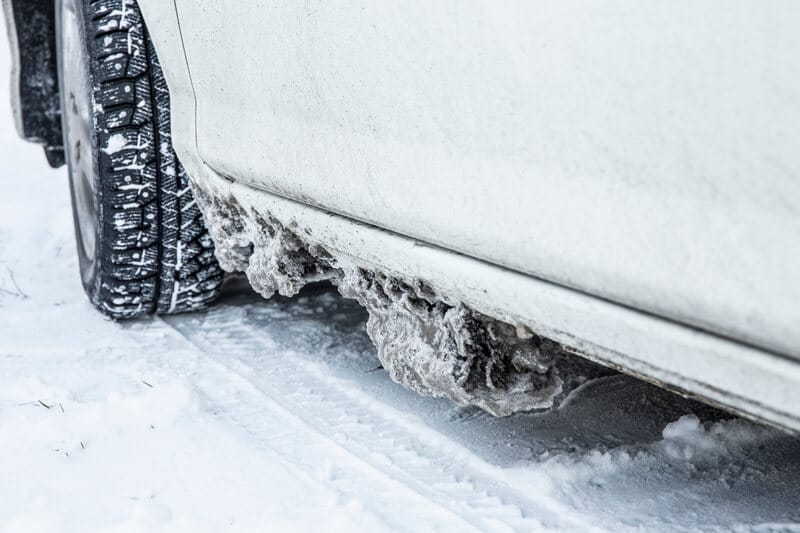
Canadian winters can be brutal on all vehicles. Still, European cars like BMW and Mercedes require extra attention to protect their sophisticated engineering and premium finishes from the damage caused by road salt and ice. While municipalities rely on salt to keep roads safe, this necessary evil can wreak havoc on your vehicle’s undercarriage, paint, and mechanical components if left unchecked.
Understanding the Salt Threat
Road salt accelerates the oxidation process that leads to rust formation on metal surfaces. When sodium chloride reacts with water and oxygen, it forms a chemical reaction that eats away at exposed metal components, particularly those beneath your vehicle. For precision-engineered European vehicles, this corrosion can compromise brake lines, suspension parts, exhaust systems, and fuel lines, leading to costly repairs and safety concerns.
The undercarriage faces the greatest risk because it’s in direct contact with salt-laden slush. Salt seeps into crevices and joints where moisture becomes trapped, quietly corroding components over time. Even with modern galvanized coatings, European vehicles aren’t immune to salt damage, and their complex engineering means repairs can be significantly more expensive than on domestic models.
Pre-Winter Preparation is Essential
Before the first snowfall, take your European vehicle to a trusted specialist for pre-winter preparation. At Right Tech Auto Repair, we understand the unique needs of BMW and Mercedes repair, and we recommend several protective measures before winter arrives.
Start with a thorough inspection of your vehicle’s undercarriage for any existing rust or damage. Address these issues immediately, as winter conditions will accelerate any corrosion that’s already begun. Next, apply a protective wax or ceramic coating to your paint. This creates a sacrificial barrier that prevents salt from adhering directly to your vehicle’s finish. Professional ceramic coatings create an invisible shield against salt, chemicals, and contaminants, offering superior protection compared to traditional wax.
Consider having your undercarriage treated with a rust inhibitor or protective spray. Light mineral-based oil creeps into door seams, folds, joints, and weld spots where rust often starts. This treatment is particularly valuable for European vehicles with aluminum components and complex underbody designs. While it requires an investment of a few hundred dollars annually, it protects your vehicle’s resale value and prevents thousands in potential repair costs.
The Winter Washing Routine
Regular washing during the winter months is your most powerful defence against salt damage. Experts suggest washing your car about once a week to reduce the risk of corrosion from road salt. However, winter washing requires a strategic approach to be effective.
Focus heavily on the undercarriage, wheel wells, and behind the fenders, where salt accumulates most aggressively. Use a high-pressure wash to blast away salt deposits from hard-to-reach areas. If visiting a professional car wash, ensure they offer undercarriage cleaning. For DIY washing at home, position a lawn sprinkler under your vehicle and move it every few minutes to thoroughly rinse the entire underbody.
Timing matters when washing in winter. Always wash during daytime hours when temperatures exceed 4°C (40°F), allowing your vehicle time to dry before nightfall. Water freezing on your vehicle’s surface can cause additional problems and trap salt against the finish.
Protecting Vulnerable Areas
European vehicles have specific areas that require extra attention. Pay special attention to wheel arch liners, which can trap salt-laden mud between the liner and body panels, creating a corrosive environment. Inspect these regularly and clean them thoroughly throughout winter.
Doors, fenders, hoods, and tailgates retain moisture and are particularly vulnerable to rust formation. Examine these areas frequently for any paint chips, as even small scratches allow salt to reach the bare metal underneath. Address paint chips immediately with a touch-up kit designed for your BMW or Mercedes to prevent salt from accelerating corrosion beneath the surface.
Your vehicle’s brake system also deserves attention. While you should never apply protective coatings directly to brake discs, ensure surrounding components receive adequate protection during your undercoating treatment. Salt corrosion on brake lines poses serious safety risks that demand immediate professional attention.
Interior Protection Matters Too
Don’t overlook your vehicle’s interior. Salt tracked inside on boots and shoes will damage carpet and can even corrode floorboards over time. Invest in high-quality rubber floor mats with raised edges to trap slush and prevent it from seeping through to the carpet underneath. These mats are far easier to clean than fabric alternatives and provide essential protection for your European vehicle’s premium interior.
Smart Driving Habits
Avoid driving immediately behind snow plows, as they’re actively spreading salt that will coat your vehicle. Maintain distance and let the plow do its work before following. Additionally, avoid driving through deep snow whenever possible, as it can pack salt into your undercarriage, making it extremely difficult to remove.
Professional European Vehicle Care
European vehicles represent a significant investment and deserve specialized care. At Right Tech Auto Repair, our technicians understand the unique requirements of BMW repair and Mercedes repair. We offer comprehensive winter preparation services, including protective treatments, detailed inspections, and expert maintenance to keep your European vehicle performing optimally through Canadian winters.
Don’t wait until you spot rust to take action. Proactive winter protection preserves your vehicle’s appearance, maintains its resale value, and ensures reliable performance when you need it most. Contact Right Tech Auto Repair today to schedule your pre-winter service and protect your European vehicle investment from salt and ice damage all season long.